For the space between “this is no longer me” and “I know what comes next.”
An independent school and publishing house for identity transition and practical philosophy.
“You are not lost. You may be between identities.”
We remember the drive to the hospital more clearly than the news itself. The week before the wedding was more vivid than the vows. The boxes half-packed before the new front apartment door.
Psychology offers several explanations for why emotionally charged transitions can become unusually vivid in memory. Here, I am interested in what those moments can do to identity.
Some become threshold moments: points at which an old identity has begun to loosen while the next has not yet fully taken form.
For a little while, what remains is us, unrehearsed.
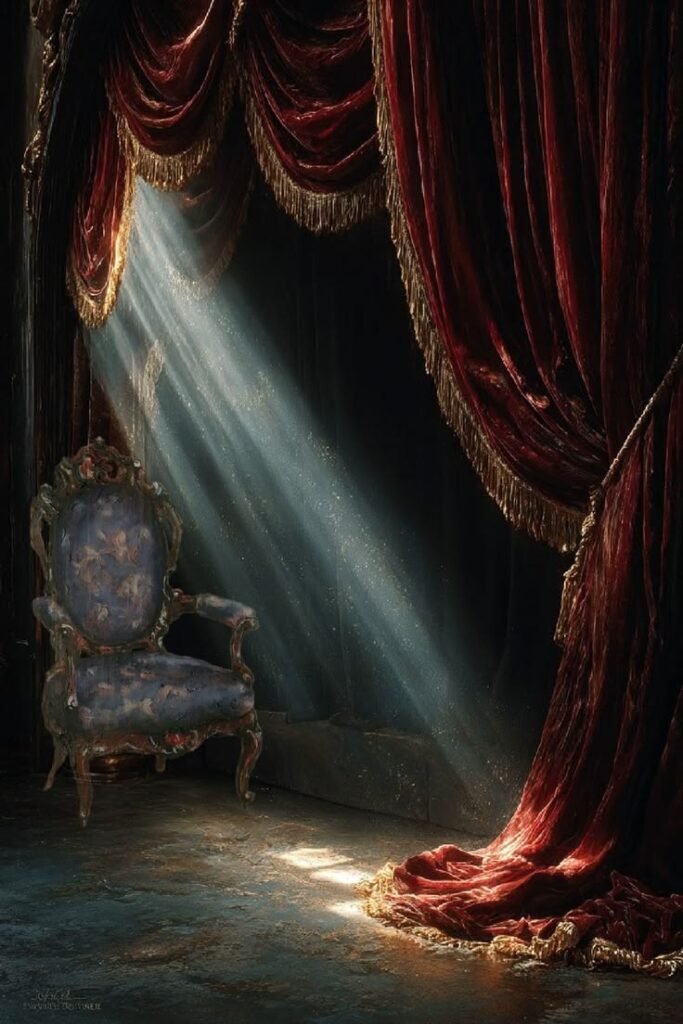
What is Liminal Lessons?
Liminal Lessons explores the periods in which an old identity, rhythm, relationship, worldview, or way of living no longer fits, while whatever comes next has not yet fully taken form.
So we end up feeling “I don’t know who I am anymore.”
The House turns that confusing territory into something you can understand, navigate, cultivate, and study through writing, House Instruments, Liminal Lifestyle, and the RUIA curriculum.
“You move from vague self-awareness to precise self-understanding.“
FOR NEWCOMERS
Begin Here: First three Readings

THE MUSE ERA
Inner Turmoil
For encountering Liminal Lessons not as instruction, but from inside the unfinished experience of becoming.

Authenticity to Yourself
For questioning which parts of your identity are genuinely yours and which have been performed, inherited, or adapted.

THE ECHO SERIES
My Favorite Color is Golden
For feeling how the House attempts to articulate things beyond the scope of understanding.
The Founder

I’m Ru, writer, poet, independent philosophical essayist, founder of Liminal Lessons, architect of RUIA.
I built the House from a long fascination with what happens when identity begins to loosen: the strange territory between inherited ways of being and a life that feels more consciously inhabited.
The work draws from liminality, philosophy, contemplative and mystical traditions, depth-oriented inquiry, embodiment, and creative practice.
Stay In Touch
Latest From The Archive
The Optimized Ghost: Why Your Perfect Routine Is Just a Nicer Cage
We have built a culture that worships the skeleton while letting the spirit starve. You didn’t burn out because you lack willpower—you burned out because you spent three years expertly managing a life your soul has already vacated. Read on to discover why your morning routine feels like force-feeding a shadow, and how to step across the threshold into authentic living.