The wolf archetype in women has fascinated poets, writers, mythmakers, and psychologists of the symbolic imagination. The wolf within is not just a beast, but a blood memory for the wild, wounded woman. It reflects shadow, instinct, grief, and the parts of the self that resist domestication.
I use “feminine psyche” here as archetypal language, not as a claim that all women share one fixed psychological nature. The wolf is a symbol I am using to think through rage, instinct, protection, grief, and wildness.
A haunting guardian, it refuses to be tamed. In myth and story, wolves have often been feared, hunted, revered, or misunderstood. To the woman walking through a liminal zone, the wolf can become a teacher, omen, shadow, or mirror of what is trying to return.
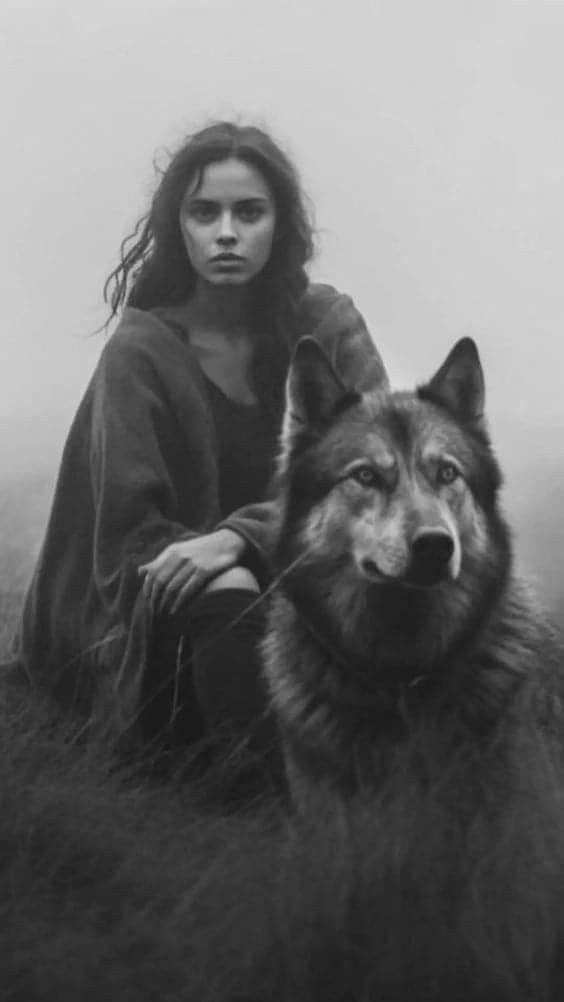

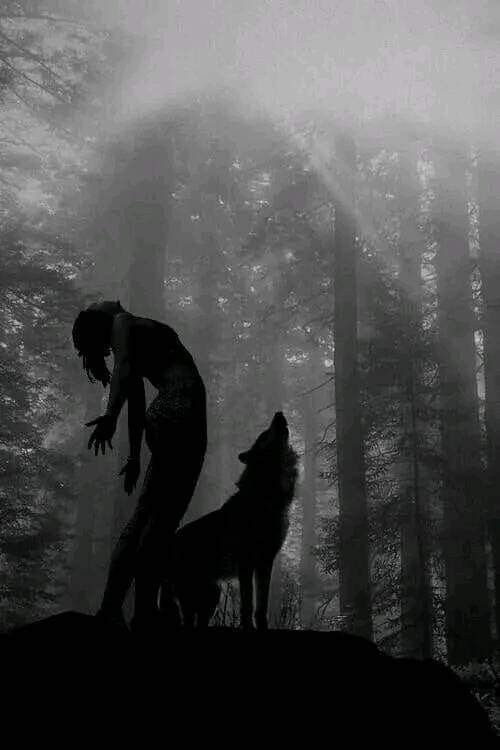
For me, the wolf appears most vividly when trust has been betrayed. When the world punishes openness. Softness. Femininity. She snarls when a boundary has been crossed. She paces and prowls when the soul is restless. She howls when grief swallows everything whole.
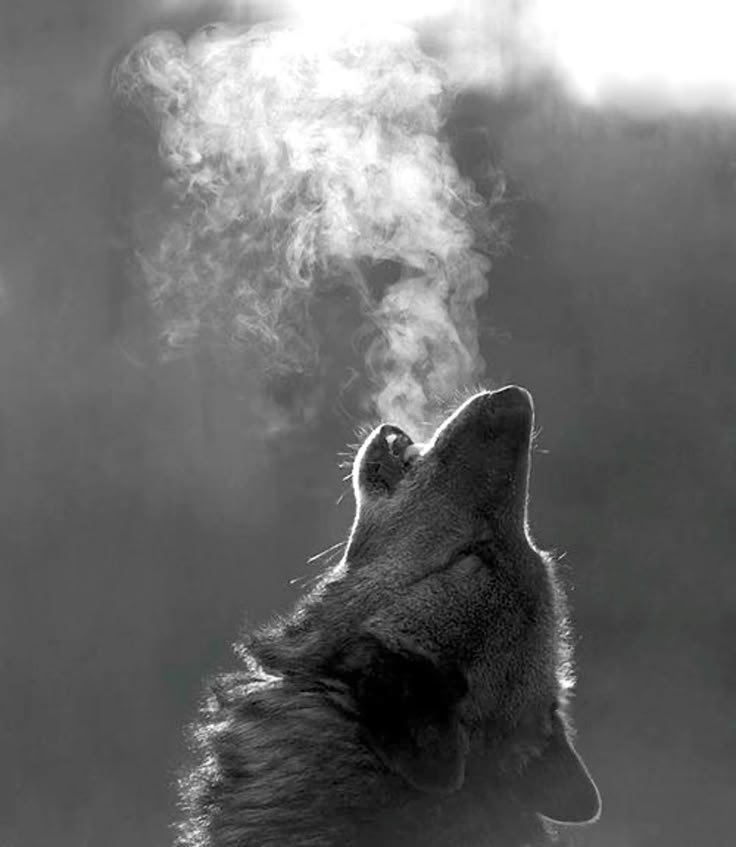
And yet, the wolf can also turn inward. The very ferocity that protects the heart can begin consuming the heart it was meant to guard. If it is never met, witnessed, or integrated, it can make us bleed from the inside.
It was on a gray day when I came face-to-face with this creature in me. It had fed on grief, madness, distrust, and the sharp edges of life, which I was accustomed to living in.
I wrote this poem on a day when silence descended on me like waves. Heartbreak and ache crashed on the shore of my being. It just gnawed, waiting and watching me bleed.
It is one of the first poems I’ve written and so will always hold a sacred space within me. For on some days, I circle back to this space where the only thing louder than my thoughts is the wolf within me.
So here is ‘Wolf’, a Shadow Self Poem About Grief, Instinct & The Wolf Within. It is an ode to some days when we are devoured by what lives inside us.
Wolf in Voice: A Spoken Word
Wolf | A Poem on Female Rage and the Shadow Self
Content note: this poem contains imagery of self-destruction and suicidal thoughts.
I have a Wolf in me,
and it eats away at bits of my heart.
Each time I trust and let go,
I am met with a blunt force.
The Wolf in me jeers me on,
cries out, and tears at me.
It’s hard to live and
very hard to kill.
Help!
I can’t escape.
This is the end.
Perhaps I’ll find peace.
When I kill us both and go beyond.
But really, though…
This Wolf lives in my soul.
And I don’t think it intends to leave me alone.
What Does the Wolf Symbolize?
Sometimes the wolf is pain. Sometimes it is protection in disguise. Perhaps it is the last thread holding us together. Keeping us from disappearing entirely. The truth is, I have learned to love the wolf within. I fear it, yes. I wrestle with it. But I also recognize its devotion.
It shows up when I have been wounded, when someone crosses a boundary I didn’t know I held. It cries out when I silence myself too long.
This is not a cage I am in, although sometimes it might feel like it. Something about feeling this way, this in-between, makes it feel like a ritual. A blood-letting. A spell of witness and quiet strength.
You are not broken for having a beast within. You are only human and maybe part-animal too.
The wolf wears many masks in my imagination: loneliness, grief, rage, shame, distrust, the ache of feeling divided from yourself, even the terrifying thought that you would rather disappear than continue feeling what you feel. These experiences are not interchangeable, and some require real support rather than symbolic interpretation alone.
But the wolf itself, as I use the symbol here, is not the symptom. It is the image through which I ask what the pain may be protecting, warning about, grieving, or trying desperately to express.
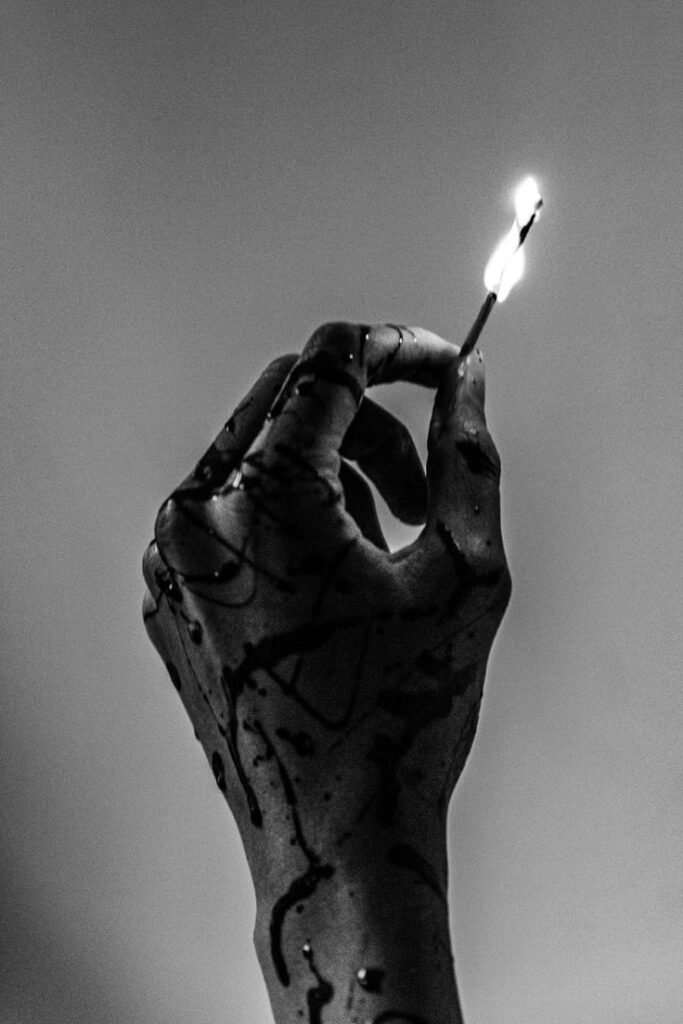
The wolf is your shadow guide. It is your edge. It shows up when you need to return to instinct. To the wild territory of knowing without needing permission. In the symbolic language of this poem, rage can be sacred: not because every act committed in anger is justified, but because anger may reveal that something precious has been violated. Grief may carry knowledge too. And sometimes the most loving thing you can do… is growl.
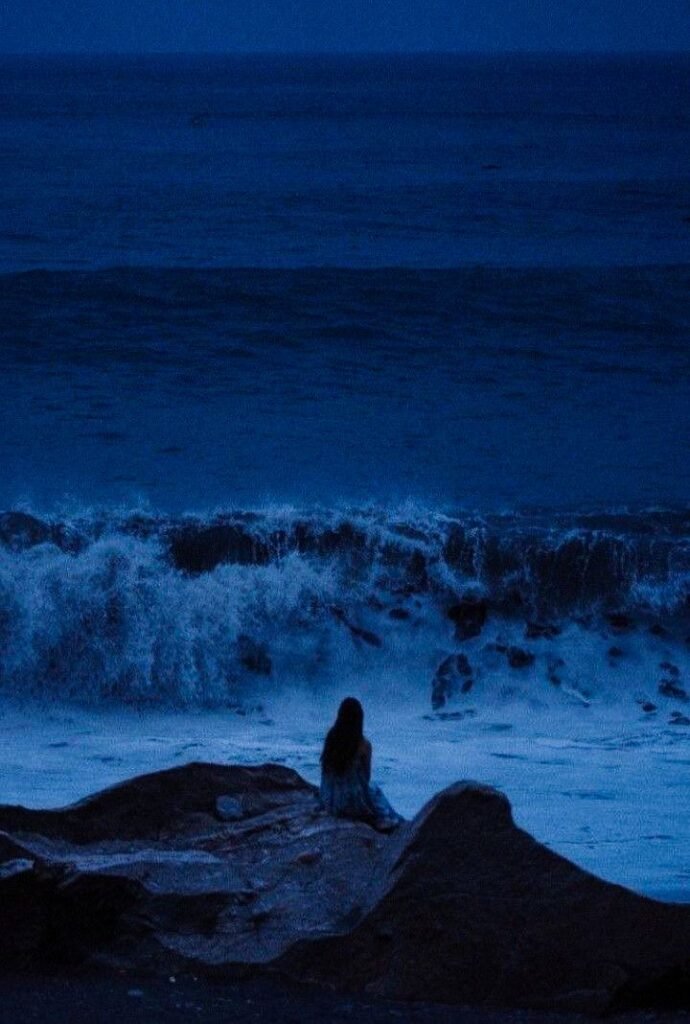
The Resonance Space: Howl to the Wolf Within
Every wild thing within you that you have been asked to domesticate: this poem was written for that.
Shadow Work Practice | Connecting to Your Inner Wolf
Write it (Your Creative Echo)
“The doors to the world of the Wild Self are few but precious.”
—Clarissa Pinkola Estés, Women Who Run with the WolvesYou have just walked through one of them. Don’t latch it behind you on the way out.
Descend into the House
☾ The wolf does not end when the poem does. Follow her through instinct, shadow, appetite, wildness, and the symbolic terrain where the feminine refuses domestication. → Wander through The Echo Series
☾ Enter Zephyr (Meet the larger poetic landscape from which these archetypal echoes emerge).