Seduction is the hypnotic and gentle, soul-deep art of feminine allure.”
—Ru
Seduction Is Not a Strategy: The Art of Feminine Presence
The word seduce reaches us through the Latin seducere: to lead away, to draw aside. The history of the word already carries tension. Seduction can suggest allure, persuasion, temptation, deception, intimacy, or danger depending on context.
I am interested in a narrower form here: seduction as self-possession, sensory presence, mystery, play, and the art of making an encounter feel more alive.
That does not make manipulation beautiful simply because it is subtle. Mystery is not dishonesty. Privacy is not deception. Seduction can heighten pacing, imagination, and desire without manufacturing false beliefs, exploiting insecurity, overriding consent, or deliberately destabilizing another person.
The version of seduction I want to keep belongs first to the self: knowing your own pace, preferences, boundaries, sensuality, humor, aesthetics, and appetite for life. From there, allure becomes invitation rather than conquest.
Seduction can certainly involve power, but power is not automatically domination. There is power in refusing to chase. In knowing when to reveal and when to remain private. In being fully attentive without making yourself endlessly available. In allowing attraction to remain reciprocal rather than trying to engineer it.
History and popular culture are full of figures remembered for charisma, glamour, theatricality, erotic charge, style, wit, or unusual presence. Their lives were vastly different, and I do not need to pretend they all practiced one coherent philosophy of seduction. What interests me is the recurring fascination with people who seem to inhabit themselves so fully that attention bends toward them.

The Dance of Polarity: Feminine Energy, Attraction, and Embodiment
I sometimes use polarity as an archetypal language for contrasting modes of presence: receptive and directive, yielding and structuring, expressive and contained, flowing and still.
Within Liminal Lessons, feminine and masculine name symbolic modes of being rather than fixed traits of women and men. They are not behavioral laws, biological destinies, or a scientific explanation of attraction. A person of any gender may inhabit either mode, several at once, or neither language at all.
When I call seduction “feminine” in this essay, I mean the qualities I place under that archetype: receptivity, sensuality, mystery, emotional texture, play, creation, and the ability to let experience arrive before immediately controlling it.
The erotic tension between opposites can be a compelling symbolic lens. It is not magnetism in the physical-science sense, nor does attraction require heterosexual or masculine-feminine opposition.
In the symbolic world of this essay, polarity becomes alchemical: difference encountering difference and producing a third thing neither could create alone.
Seduction and Feminine Essence: The Power of Magnetic Presence
Feminine essence and seduction go hand-in-hand. No matter the gender, no matter the seducer. This art of seduction has always been the prerogative of the feminine.
The Feminine Essence chamber gives this archetypal language its fuller House definition. Here, seduction is one expression of it rather than proof of what femininity universally is.
For me, its terrain is aesthetic and sensory: dress, rhythm, atmosphere, feeling, texture, laughter, stillness, pleasure, and the difference between doing something hurriedly and inhabiting it completely.
To seduce from this place is first to become your own muse: someone whose inner world remains interesting enough that you do not need another person’s attention to make yourself feel alive.
You may become a mirror for other people’s imagination simply because mystery leaves room for projection. But projection should remain theirs; you do not need to manufacture falsehoods to keep it alive.
Play is welcome. Fantasy can be mutually enjoyed. The ethical line is simple: do not knowingly build intimacy on a belief you know to be false.
Seduction as Self-Expression: Becoming Your Own Muse
Seduction can hold a mirror not to vanity, but to self-authorship. Style, voice, confidence, attention, and self-awareness become ways of revealing how you have chosen to inhabit yourself.
When other people are drawn to that, wonderful. But attraction is an outcome you cannot command. Authentic presence is the part that actually belongs to you.
It asks: How do you see yourself?


Seduction as a Muse
It awakens the spark of creativity within you. Like a muse, it fuels the desire to create, to play, to express your unique beauty and voice.
A muse, in this context, means inhabiting your creative and sensual life so fully that another person may feel curiosity, admiration, or longing without those responses becoming your proof of worth.
It asks: How do you get inspired?
Seduction as Mystery
Mystery is not the strategic withholding of information someone needs in order to make an informed choice about you. It is the simple fact that intimacy has pacing.
You do not have to reveal every wound, history, desire, opinion, fantasy, and private room of yourself immediately. Some things unfold through time. Some belong only to you.
That slowness can be deeply seductive because discovery remains possible. But concealment becomes manipulation when it is used to create a false impression, provoke insecurity, or interfere with another person’s ability to consent clearly.
Reveal and conceal like moon phases if you love the metaphor. Just do not counterfeit the moon.

“Seductive presence can feel like a mesmerizing spell.”
—Ru
Robert Greene’s Seducer Archetypes: A Vocabulary, Not an Ethics
Robert Greene’s 2001 book The Art of Seduction offers nine seducer types: the Siren, Rake, Ideal Lover, Dandy, Natural, Coquette, Charmer, Charismatic, and Star. I find the archetypes interesting as literary portraits of attraction. I do not adopt the book’s more adversarial or manipulative strategies as relationship guidance.
So read the following as character language: ways charisma has been imagined, dramatized, or performed, not instructions for overriding another person’s judgment.
The Siren creates an atmosphere of sensuality, leisure, drama, and danger. In Greene’s gendered original, this is framed as a stereotypically feminine fantasy figure.
The Rake represents concentrated desire: the intoxicating feeling of receiving someone’s undivided romantic or erotic attention.
The Ideal Lover embodies qualities another person longs for in romance or imagination. This becomes unethical when mirroring turns into calculated deception.
The Dandy fascinates through individuality, ambiguity, and refusal of conventional gender or social expectations.
The Natural draws people through spontaneity, playfulness, ease, and apparent lack of self-consciousness.
The Coquette creates fascination through distance and unpredictability. This is precisely the archetype most worth handling carefully: intermittent affection can also become emotional manipulation when deliberately used to make another person anxious or dependent.
The Charmer makes other people feel seen, comfortable, and important. Charm becomes exploitative when attention is merely a tool for accessing someone’s vulnerability.
The Charismatic appears animated by unusual conviction, confidence, intensity, purpose, or presence.
The Star leaves enough distance for imagination to gather around them. Their allure comes partly from the gap between what is visible and what remains unknown.
“Seduction exists in the mundane, if we are wholly embodying ourselves.”




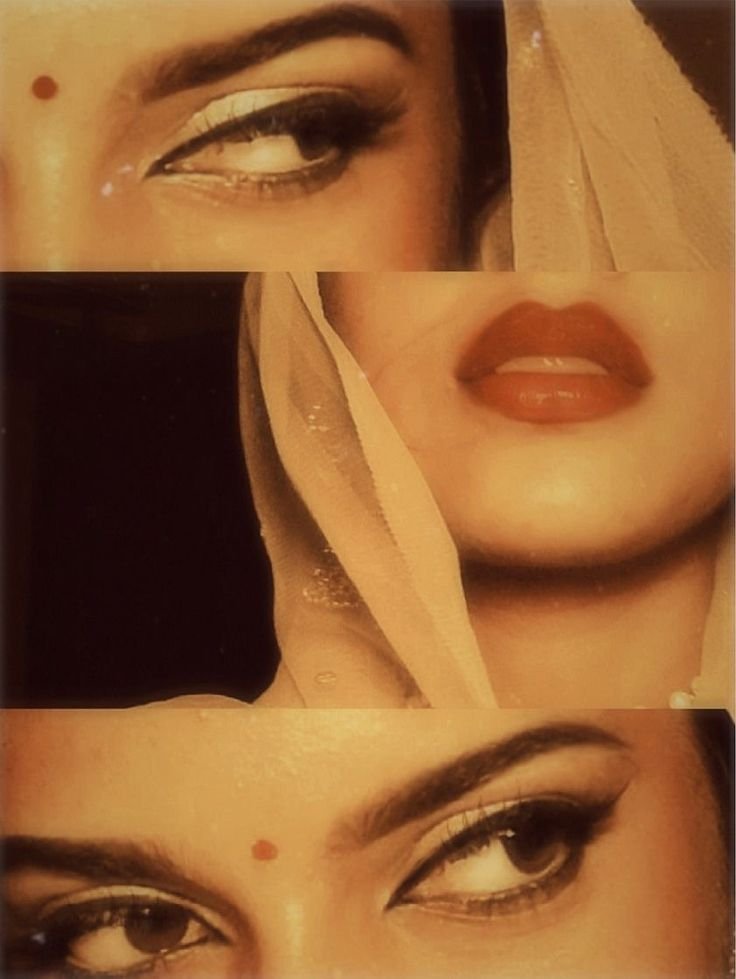


Sensual Embodiment Practices for Feminine Confidence
Seductive presence does not require chase, explanation, or theatrical performance. Sometimes it is quieter: inhabiting the senses deliberately enough that ordinary life becomes textured again. Move like honey if honey is how you feel today. Speak like silk when silk belongs to the moment. On another day, you may be thunder.
The point is not to perform femininity correctly. It is to become more perceptive inside your own experience.
Seduction begins with how we see the world- but first ourselves. Where you can, make ordinary surroundings more pleasurable to inhabit. Romanticize without denying reality. A difficult life does not become easy because you bought prettier candles. But beauty can still become a form of attention.
Let voice become part of the sensory field. Experiment with tone, timing, silence, and the pause before a sentence. Let a glance linger when it is welcome. Let softness be a choice rather than an obligation.
A seductive voice does not need to be artificially low, breathy, or vague. It needs to sound inhabited.
When you move, move like water and rest like silk. Walk in whatever way makes you feel present in your own body. Lengthen the spine if that feels good. Notice gesture. Notice pace. Grace is not one approved silhouette.
Savor every taste like you have all the time in the world. Let it linger. Savor it all. Take pleasure seriously. Let your primal and playful side take the wheel when you sit and enjoy meals or sip tea. Make it an activity with full sensual awareness.
A signature scent can become a delicious private ritual if fragrance is something you enjoy. It is not essential.


Living through the senses can make us feel more vividly present. Other people may experience that presence as attractive, but attraction remains theirs to feel or not feel.
In language, seduction can live in rhythm, implication, humor, metaphor, and the intelligent use of silence. Not every thought must be explained to exhaustion.
But mystery should never require unreality. Say what matters truthfully. Leave aesthetic space around it. The listener is free to imagine, but you are not responsible for feeding them a fiction so they remain interested.
Directness and allure are not enemies. Sometimes the most seductive sentence in the room is the one brave enough to mean exactly what it says.
The Liminalist Practice: Seduce Yourself First
Seduction, at its core, is about awakening. And when you turn that energy inward, something magical happens:
Something shifts in emphasis.
You become less occupied with whether you are being watched and more interested in the experience of being alive inside yourself. Radiant, perhaps. Magnetic, perhaps. But above all, present.

Wake up gently.
Move like you’re underwater.
Savor your rituals: brushing your hair, making tea, stretching in bed.
Notice the moments that feel sensual: sunlight on your skin, wind through your dress, the way water caresses you in the shower.
To seduce yourself, you must see yourself—not with judgment, but with longing and awe.
Evening Ritual
- Stand in front of the mirror. Admire yourself the way a poet might: notice curves, shadows, angles.
- Dress yourself. Wear what awakens your inner archetype. Goddess, muse, siren, dreamer.
- Speak aloud: “I am my own fantasy.”
Your senses are doorways to seduction. The more alive your body feels, the more desirable you become to yourself.
- Touch: If it feels good, touch your skin with attention rather than function: lotion slowly, brush your hair carefully, rest a hand against your body without immediately asking it to become useful.
- Smell: Wear perfume at home. Light incense. Let scent become a signature of your inner pleasure. If incense or fragrance irritates you, skip it.
- Sound: Listen to music that stirs you. Moan. Whisper. Let your voice seduce your own ears.
- Taste: Eat slowly. Let food melt in your mouth. Feed yourself as if you are royalty.
- Sight: Set your space like a love den—candles, art, textures. Let beauty surround you.
Words are spells. Use them to seduce your own soul.
Carry It Forward
- Journal like a secret admirer. Describe yourself as if you’re in love with who you are becoming.
- Write about your dreams, your turn-ons, your inner world.
- Let your inner seductress speak uncensored: What does she crave? What makes her feel divine?
Pleasure isn’t earned. It’s your birthright. Seduce yourself by becoming the source of your joy and satisfaction.
And perhaps others notice: not an invisible force they are compelled to obey, but your fullness, pace, attention, and presence.
Some will be drawn to it. Some will not.
Neither response determines whether the practice worked.
You become the flame, not the moth.
You don’t seduce the world by becoming more.
You seduce the world by becoming you, unapologetically, exquisitely.

Timeless End
Seduction, as I want to keep the word, is not control disguised in prettier clothes. It is attention, desire, beauty, self-possession, pacing, play, and the creation of charged space between people who remain free inside it.
It begins with the self because someone who requires another person’s fascination in order to feel real will always be tempted to turn allure into strategy.
To seduce is to live with love and artistry. To move through the world like a poem in motion. In tune with your archetypal essence, sensual rhythms, and inner mystery.
Whether through touch, voice, scent, gaze, or stillness, it becomes a lifestyle of enchantment. At its most enchanted, it can feel as though every act is a spell and every choice a mirror of the soul’s longing. In a world dulled by speed and surface, seduction can restore depth: not by conquering attention, but by making presence worth attending to.
It is the power to see and be seen- not just with the eyes, but with the heart. When we master the art of seduction, we do not conquer. We reveal, invite, and remember what it means to be fully, exquisitely alive.





Let the thing that overwhelms you be your own becoming.
Not another person’s attention. Not the chase. Not the performance. Your own astonishing capacity to become more fully inhabited.
Your Next Threshold
Seduction becomes more interesting when it stops being a performance for attention and becomes a study of presence, receptivity, discernment, and embodied power.
→ Wander further into Feminine Essence