Learning how to speak articulately is not only about grammar or pronunciation. It is the meeting place between what you mean and what another person is actually able to receive. Pace, breath, vocabulary, tone, silence, posture, and clarity all become part of that translation.
I think of articulation as inner truth finding an outer form precise enough to carry it. Sometimes that feels almost alchemical: a thought that was shapeless inside you becomes a sentence another person can finally understand.
Within this chamber, I am interested not only in clearer speech, but in what happens when the body, breath, and attention participate in communication. “Speaking from the body” is partly metaphor here, but it also points toward something practical: voice depends on breath, vocal-fold vibration, resonance, and coordinated physical effort.

Why Clear Expression Can Feel Difficult
Articulation involves more than correct grammar, pronunciation, or pitch. For me, the more difficult skill is shaping a message so that what I mean has a reasonable chance of being received as intended. Sometimes that means saying less. Sometimes it means becoming more specific. Sometimes it means slowing down long enough to hear my own sentence before asking someone else to understand it.
Fast conversation, anxiety, fear of judgment, habitual overexplaining, and the pressure to respond immediately can all make expression feel less deliberate. I notice that I communicate differently when I permit myself to pause before filling the silence.
Clear articulation does not require the absence of fear. It asks for enough steadiness to say what you actually mean while fear, uncertainty, or self-consciousness may still be present.
One practice that has helped me is distinguishing authority from overexplaining. I try to become clear about what I want to say, say it with enough context to be understood, and resist adding five defensive paragraphs merely because silence makes me nervous. The point is not to force other people to listen. It is to make my own meaning easier to hear.

The Feminine Art of Articulation: Speaking with Presence
There is a quality of speech I find deeply compelling: spaciousness. A person does not rush to fill every silence. Words are allowed to arrive with rhythm, texture, restraint, and emotional presence. Gentle authority. Deliberate pacing. A sentence that lingers after it has ended.
Within the House, I sometimes use feminine and masculine as archetypal languages for modes of being, not as fixed communication styles belonging to women and men. When I call this form of articulation feminine, I mean spacious, receptive, sensual, intuitive, and emotionally attentive speech.
Directness, efficiency, and structure are not inherently masculine, just as receptivity and emotional resonance are not inherently female. These are symbolic lenses I sometimes use to explore qualities of expression, not laws of gender or communication psychology.
The experiment is not to become “more feminine.” It is to notice whether your speech has room for both precision and presence.

Somatic Voice Work: Breath, Body, & Voice
Voice begins with coordinated physiology: breath supplies airflow, the vocal folds vibrate to create sound, and the spaces of the throat, mouth, and nose help shape that sound. But speaking is also experienced through the rest of the body: posture, muscular tension, breath pattern, facial movement, gesture, and sensation can all affect how speaking feels.
For me, conscious breathing is therefore less about becoming “magnetic” and more about giving a sentence enough air and time to arrive deliberately.
How to Develop a Confident Voice Through Body Awareness

The Silken Breath Practice
Inhale comfortably through your nose for four counts.
Pause gently for two counts if that feels comfortable.
Exhale through softly parted lips for six to eight counts, without straining.
Return to a normal breath, then speak your next sentence slowly.
The aim is not to manufacture a “natural voice.” It is simply to experiment with how a slower exhalation changes your pacing and your experience of speaking.
Articulation extends beyond the words themselves. Posture, expression, gesture, eye contact, pacing, and other nonverbal cues can shape how a message is experienced. Your body does not replace your voice, but instead, it actively participates in communication.
The Echo of Your Essence
Place your hand on your belly. Take a deep breath into your lower abdomen.
Let the exhalation continue naturally as you drop down and feel your body.
How does it feel to be in your body? How do your toes and feet feel, your ankles, stomach, ribs, arms, back, and the spine?
Now hum. Notice where you feel the vibration in your face, throat, chest, or elsewhere in the body.
Let it rise, like incense, toward your throat.
Drop down into your body to speak from your core.

Experiment with a posture that feels supported rather than rigid. For some people, reducing unnecessary tension and allowing the breath to move more freely can make speaking feel easier.
Your voice is not just what people hear; it is how they feel you.
In formal settings, clear enunciation, grammar appropriate to the context, and intentional pacing can make speech easier to follow.
But articulation is not the same thing as speaking one prestige dialect, eliminating slang, or sounding perpetually polished.
Context matters.
Voice matters.
So does knowing whom you are speaking to.

Echo of your Essence
If symbolic visualization helps you inhabit your voice, imagine the spine as a column of golden light.
As you speak, picture the sound rising through the body and leaving the mouth with greater intention.
This is a visualization practice, not an anatomical description of how sound travels
If you tend to speak loudly or quickly, experiment with a comfortable conversational volume and slower pacing rather than forcing the voice into a whisper.
My Rituals for Developing My Voice
One reason I began Liminal Lessons was to develop my writing. That inevitably made me more attentive to communication itself: vocabulary, syntax, rhythm, tone, and the way phrasing can gradually become recognizably my own.
For this, I have a list of books and art magazines that help me immerse myself in language. They help me enhance my vocabulary and syntax, or the way I phrase words in a manner that is wholly me.
I let Rumi, Mary Oliver, Anaïs Nin, and other writers sweep me into their rhythms. I recite passages while observing my gestures, expression, breathing, and pacing. The practice helps me notice what my body does while language moves through it.
Trying to speak slowly requires a lot more practice than I initially thought. It requires you to visibly and mentally slow down first. I choose three ordinary moments in a day in which to practice speaking more slowly: while ordering food, expressing a feeling, or, if I am feeling particularly brave, during disagreement.


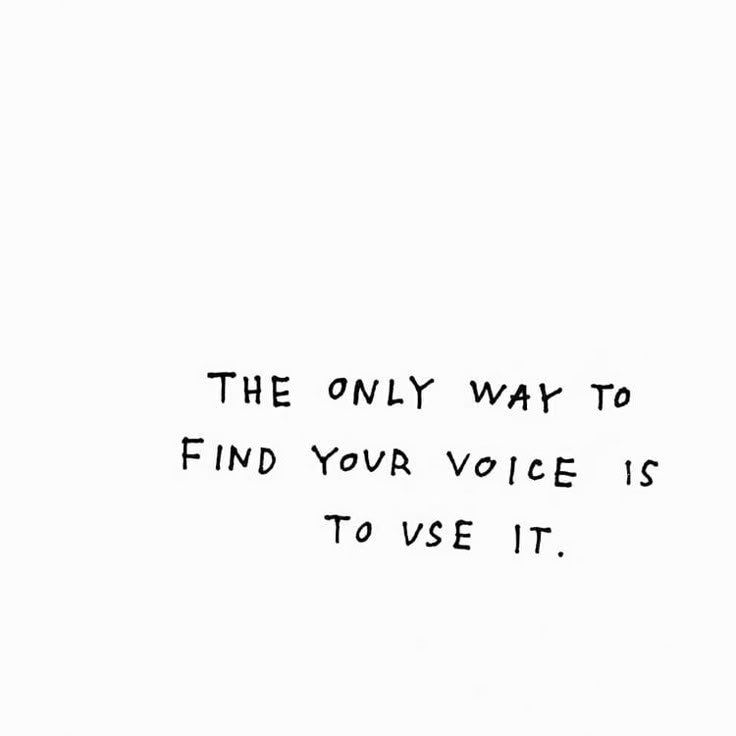
Articulating Magic into Existence
For me, articulation can become a kind of energetic elegance: speech that leaves room rather than exhausting the room. I am interested in a voice that can be gentle without becoming vague, confident without becoming domineering, and deliberate without turning every conversation into theater.
- Speak less when less is enough.
- Let rhythm and breath carry part of the meaning.
- Do not fill every silence merely because it exists.
- Speak truthfully, and leave room for kindness
Experiment with replacing habitual apologetic language when it does not serve you:
“I’d love…” rather than automatically beginning with “Can I get…”
“Would you be open to…” when you are making a genuine request.
“That doesn’t align for me right now” when the issue is alignment rather than inability.
“I appreciate you” when “Thanks” feels too small.
“I’m learning” rather than turning every mistake into an indictment of yourself.

Write a short fictional letter as a graceful human from another era. Reflect on moments where you lost your composure. It helps explore your alter ego.

Sit in stillness with a scent (perfume, essential oil, flowers) and breathe deeply. Imagine a more grounded version of yourself: how they stand, breathe, pause, and speak when they are not rushing to prove anything.
In silence, observe someone whose communication you admire. Watch how they speak, their voice, body gestures, gaze, silence, posture, expressions, and vocal rhythm. Do not take notes. Just absorb.
Stand in front of a mirror in a graceful posture. Recite a poem, passage, or pretend you are talking to your friends. Make it deliberate, vary your tone, and use expressive body language.
Whispers to end
Articulation, in its deepest sense, is not only about being heard by other people. It is also about becoming capable of hearing yourself clearly enough to know what you mean.
Breath, body, voice, and language can work together until presence begins speaking before the sentence is complete. Silence can carry weight. Softness can coexist with precision.
Speak from more than worry. Speak with enough breath to stay inside the sentence. Let your voice become a recognizable signature of the inner world you are learning to express.
You are not crafting reality by speaking perfectly. You are shaping how you meet reality, and how reality is able to meet you.
The Liminalist Practice: Voice Ritual
“Before you speak to the world again… speak first to yourself. Hear yourself.”
This Week’s Practice
Carry It Forward
“Raise your words, not your voice. It is rain that grows flowers, not thunder.”
– Widely attributed to Rumi
Be the rain.
Your Next Threshold
☀︎ An attempt to articulate the inner anguish within us all.
☀︎ Sometimes difficulty speaking clearly is not a vocabulary problem. It is what happens when the voice has not yet caught up with the person becoming capable of using it → Take the Liminal Self-Audit