Remembrance. The practice of returning attention to the Divine within, beside, and sometimes precisely through ordinary life.
Best Read in: Dusk. The in-between hour.
Practices of sacred remembrance appear in many religious and contemplative traditions. A divine Name may be repeated, invoked, recollected, sung, prayed, contemplated, or carried silently through ordinary work. The forms can resemble one another from a distance, but their theology, lineage, purpose, and method are not interchangeable.
For years now, I have been a wanderer on the Sant Mat path. I have drifted between the unseen and the seen, sailing mystic tides while still trudging earthly soil. Generations of my family have leaned toward spirituality over rigid religious boundaries, and I grew up learning to treat difference as something beautiful rather than dangerous.
That upbringing shaped the way I encounter sacred traditions now. I often notice echoes between them. But an echo is not identity. This essay listens for family resemblances in remembrance without claiming that all traditions are secretly teaching the same practice.
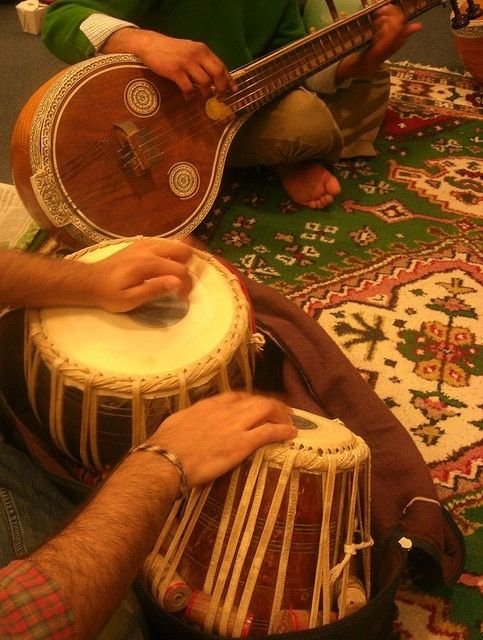
Dhikr. Naam Simran. Sant Mat simran. Japa. Nembutsu. The Jesus Prayer. All involve forms of repetition, recollection, invocation, or sustained sacred attention, but they belong to very different religious worlds.
I hear a rhyme between them, not a single hidden doctrine. Different doors. Different rooms. Sometimes a similar gesture of return.
There is a shimmering thread that runs through many traditions and religions. Repeating the Name, holding God in our minds. We let remembrance of the divine polish the heart until it shines.
Sometimes when I repeat the Name, it feels like a hand resting against my chest. It calms me, supports me, and gives me the felt sense that I am accompanied through whatever I am carrying. For a moment, it can feel as though I am breathing with the universe
I used to think, ‘How can we remember something or someone when we don’t even know what they feel or look like?’ It seems to be the prerogative of the ascetics, the mystics, the monks…but someone like me? …hmm.
It took me years to realize that humans, by their innate nature, have a natural tendency to remember. (Think of the last time you fell for someone and tell me you didn’t replay EVERY single thing about them in your head).
From the way they laughed, to the style of their texts, to the hidden gazes they gave you or the winks- I know I do.
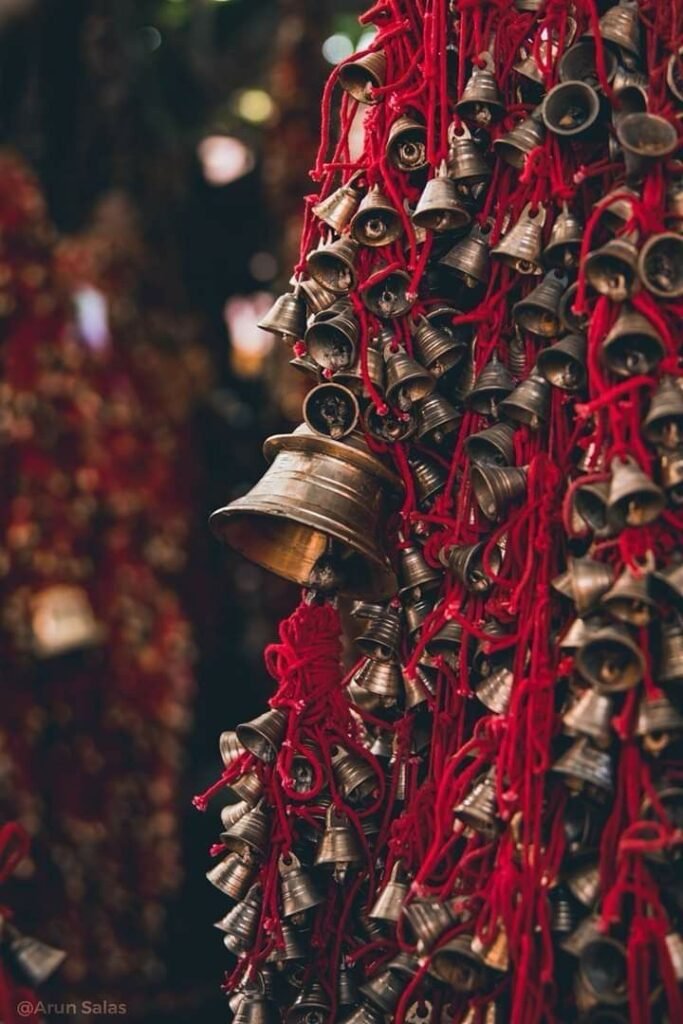
Many Tongues, One Song: Divine Remembrance Across Traditions
“One song” is my poetic metaphor, not a claim that the traditions below are doctrinally equivalent. Their practices may share repetition or remembrance while differing substantially in what is remembered, why it is repeated, who may practice it, and what spiritual end it serves. In many traditions, almost across all mystical lineages, there is a sacred act of remembering.
Sufi traditions, dhikr means remembrance or mention of God and may involve repeated divine Names, Qur’anic phrases, prayer, silence, breath, or collective recitation depending on the order and context.
In Sikh tradition, Naam Simran centers remembrance or meditation on the Divine Name. In Sikh devotional contexts, Waheguru is a familiar form of the Divine Name.
Sant Mat should be distinguished from Sikhism. In Sant Mat lineages, simran refers to sacred Names given at initiation and repeated silently as part of meditation. In the Radha Soami Satsang Beas tradition, for example, simran specifically involves five Names given at initiation.
In Hindu traditions, japa usually refers to repetition of a mantra or divine Name, while smaraṇa means remembrance or recollection. Bhagavad Gita 8.7 explicitly joins remembrance of Krishna with continuing one’s action in the world.
In Pure Land Buddhist traditions, nianfo in Chinese and nembutsu in Japanese involve recollection or recitation of Amitābha or Amida Buddha. Their meaning differs across Pure Land schools. In Jōdo Shinshū, the nembutsu is closely tied to entrusting in Amida’s Primal Vow and gratitude, not simply to generic mantra repetition.
Many Tongues, One Song: Divine Remembrance Across Traditions (II)
In Eastern Orthodox Christianity, the Jesus Prayer is a repeated invocation of Jesus’ name and mercy. It can be practiced as continual prayer, and within hesychast traditions it may be coordinated with breath under spiritual guidance. The broader Jesus Prayer does not require breath technique.
Judaism offers several distinct concepts rather than one equivalent practice: devekut means cleaving or attachment to God, especially in Hasidic thought; hitbodedut, associated particularly with Rebbe Nachman of Breslov, is solitary personal prayer; remembrance itself appears throughout Jewish scripture and liturgy in other forms.
In the Bahá’í Faith, believers are instructed to repeat Alláh-u-Abhá, “God the All-Glorious,” ninety-five times daily after ablutions. It is a form of the Greatest Name within Bahá’í practice.
These practices can resemble one another through repetition and recollection. What they mean within their traditions remains distinct.
Braided Traditions of Sacred Remembrance
In Sikh tradition, remembrance of Naam can accompany ordinary life rather than requiring withdrawal from it. The Divine Name is remembered through prayer, recitation, singing, meditation, and the orientation of attention toward God. Chores, work, family, and devotion need not belong to separate worlds.
In Sant Mat traditions, simran is mostly a secret mantra repeated silently. Until it threads into the pulse of our being.
“O my mind! Meditate on the Name of the Lord.”
—Sri Guru Granth Sahib, p. 35
In Sufi traditions, dhikr literally carries the sense of remembrance or mention. Its forms vary widely across orders and communities: silent or vocal repetition, divine Names, Qur’anic phrases, breath, movement, music, or collective recitation may appear in different contexts.
The polishing of the heart is one of the metaphors that has become deeply associated with Sufi remembrance. I keep that image here as a tradition-specific metaphor rather than proof that every form of repetition performs the same spiritual work.
In the Sant Mat tradition I know personally, simran is not simply interchangeable with Sikh Naam Simran. Some lineages teach particular sacred Names at initiation for silent repetition during meditation. In Radha Soami Satsang Beas materials, simran is described as repetition of five Names given at initiation.
Because such practices are lineage-specific, I would not reproduce restricted Names here. The important point for this essay is the discipline of remembrance itself: returning, silently and repeatedly, to what the path has given you to remember.
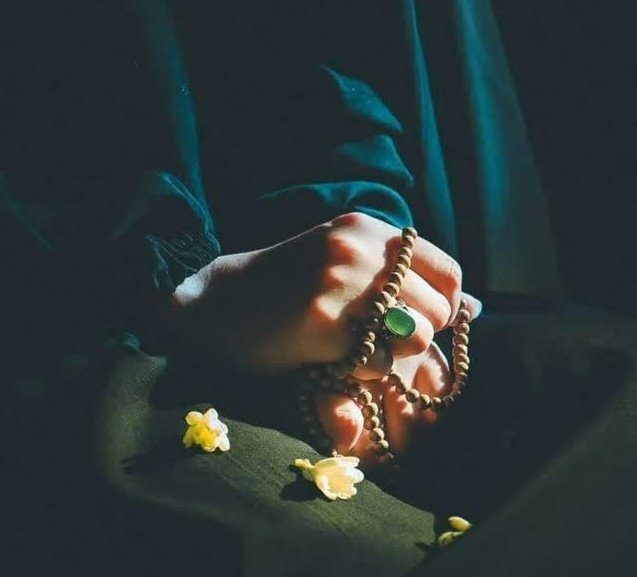
In Hindu devotional and yogic traditions, japa may involve repeating a divine Name or mantra aloud, quietly, or mentally, sometimes with mala beads. The Bhagavad Gita also contains the broader language of remembrance: in 8.7, Krishna instructs Arjuna to remember him while continuing to act.
That conjunction fascinates me: remembrance does not necessarily require abandoning the world. It can accompany action.
In Eastern Orthodox Christianity, the Jesus Prayer commonly takes the form “Lord Jesus Christ, Son of God, have mercy on me,” with variations. It is closely associated with continual prayer and, in hesychast practice, with interior stillness. Some hesychast methods coordinate prayer with breath, but Orthodox sources explicitly place those techniques within spiritual guidance rather than presenting breath coordination as a universal beginner method.
The Greek hesychia names silence or stillness.
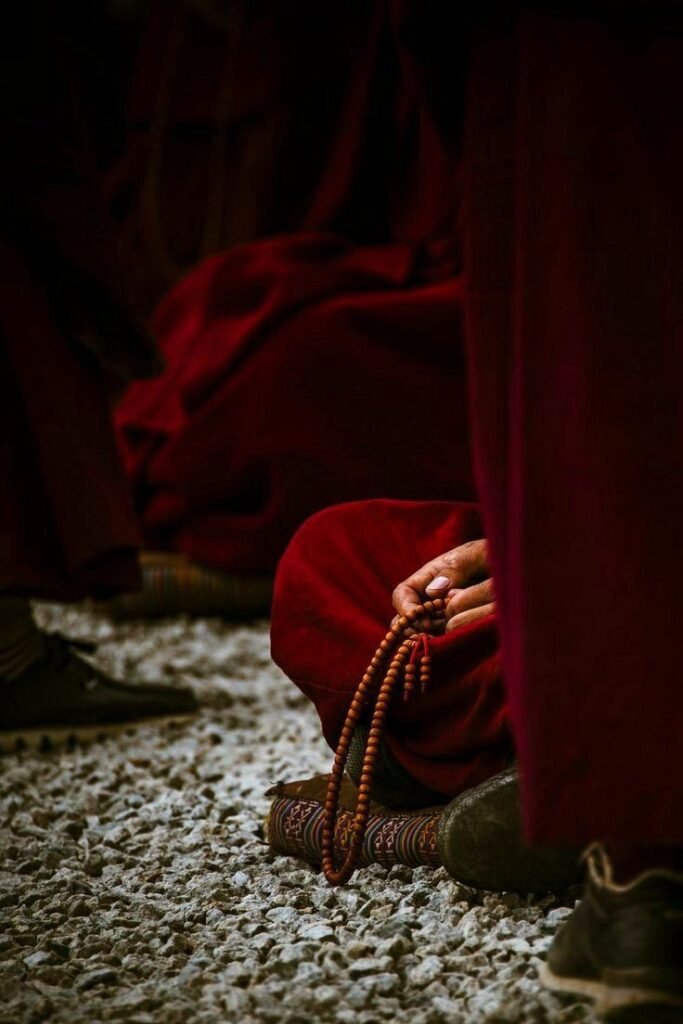
To pray without ceasing is a practice.
In Pure Land Buddhism, recitation or recollection of Amitābha or Amida Buddha takes different forms across traditions. In Jōdo Shinshū, saying Namo Amida Butsu is rooted in entrusting oneself to Amida’s compassion and is lived as an expression of gratitude, not a magical formula. Other Pure Land schools understand practice through their own doctrinal frameworks.
Jewish traditions offer several different languages for sustained relationship with God. Devekut means cleaving or attachment to God and became especially important in Hasidic spirituality. Hitbodedut, strongly associated with Rebbe Nachman of Breslov, is a practice of solitary, personal conversation with God. They are not synonyms.
Psalm 16:8 offers another powerful image of sustained orientation: keeping the Lord continually before oneself. Different text, different practice, familiar gesture of remembrance.
Across these traditions, remembrance shapes us from the inside out. It is a call for gratitude, an alert for love, a scream for help, or even a gesture of humility in greatness. Steadying the mind like a mantra in yoga. It softens the heart. Breaks the walls that we have built around ourselves and our homes, our cities, our countries.
It cleans the mirror of the heart, like Sufi dhikr. It binds ordinary work to extraordinary presence, like the Gita’s smarana. Most of all, it encourages an ethical spillover. Where speech and choices point towards congruence within the world.
What These Practices Share, and What They Do Not
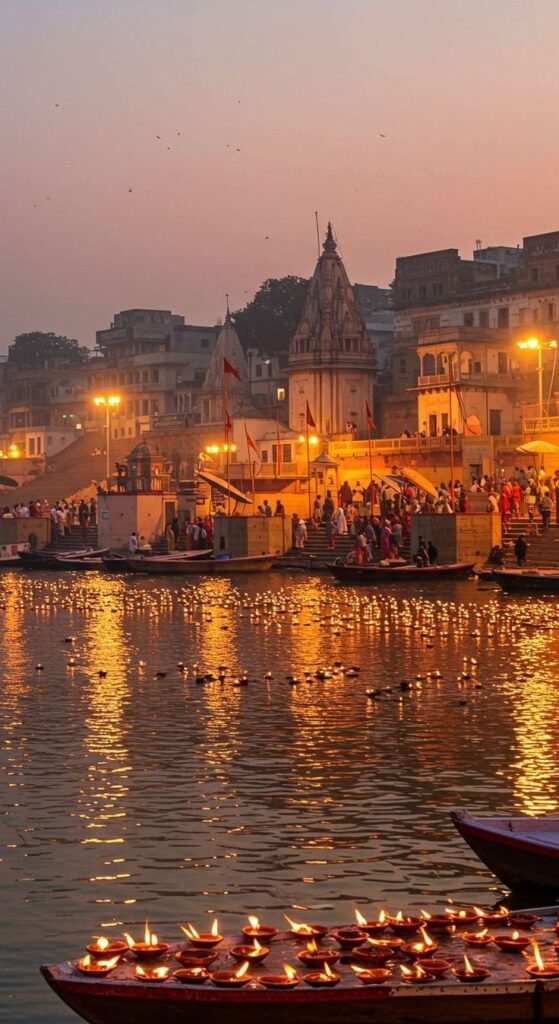
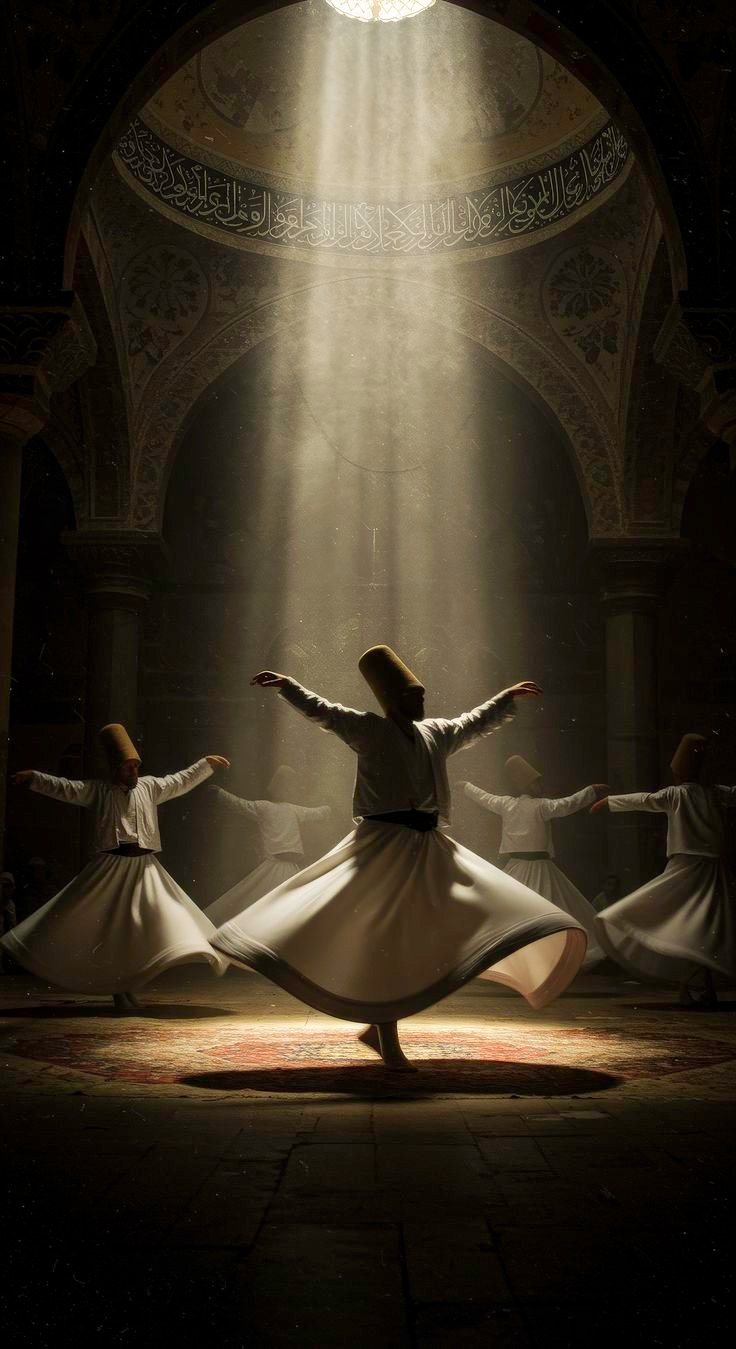
From a distance, repetition can make these practices look remarkably alike. A Sikh remembering Waheguru during ordinary work, a Muslim engaged in dhikr, an Orthodox Christian repeating the Jesus Prayer, a Hindu practitioner doing japa, or a Pure Land Buddhist reciting nembutsu may all appear to be “repeating sacred words.”
But resemblance of form does not equal sameness of meaning. The Sikh practitioner is not secretly performing Islamic dhikr. Nembutsu is not a Buddhist Jesus Prayer. Sant Mat simran is not interchangeable with either Sikh practice or Hindu mantra. Each belongs to its own theology, lineage, and understanding of what remembrance does.
The family resemblance I am interested in is simpler: human beings have repeatedly developed ways of returning attention to what they hold sacred.
Sometimes that return is gratitude, surrender, prayer, and recollection. Sometimes trust and discipline. The forms rhyme. They do not collapse into one another.
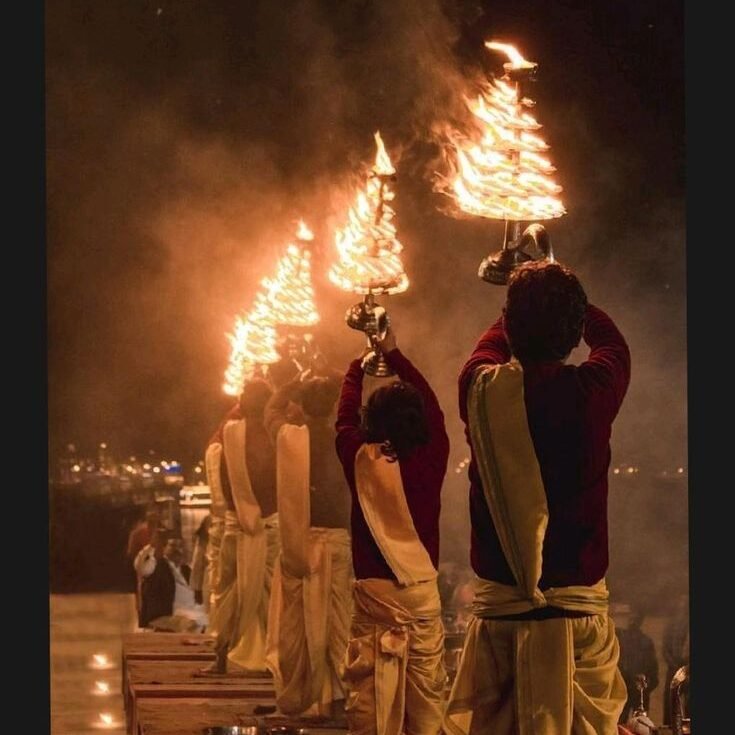
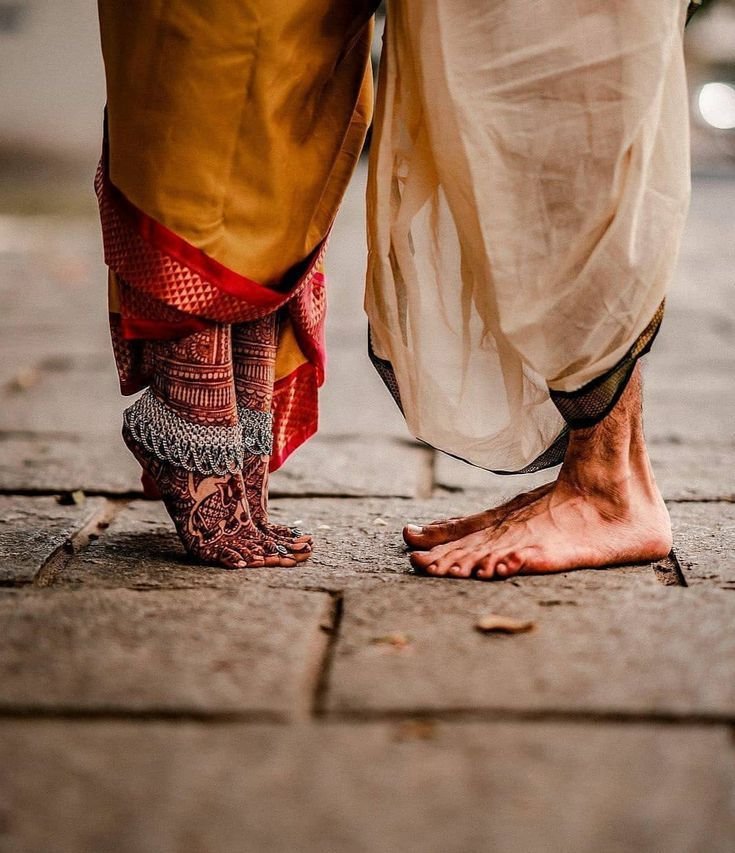
Let Divine Remembrance Call You Back
If you already belong to a religious or contemplative tradition, begin with the form of remembrance that actually belongs to that path. Use the Name, prayer, mantra, or practice as your tradition teaches it.
If you do not belong to a tradition, you do not need to borrow a sacred formula simply because it sounds beautiful. Choose a plain word of reverence from your own language, perhaps mercy, beloved, gratitude, peace, or another word that honestly carries your attention toward what you consider sacred.
Some practices are initiated, lineage-specific, or embedded in theology. Respecting a practice includes respecting those boundaries.
Sit simply. Let the spine be upright without becoming rigid. Repeat the word or prayer in the manner appropriate to the practice you have chosen.
Do not force the breath or imitate breathing techniques from another tradition merely because they appear mystical. If your own lineage teaches a breath-linked method, follow its instruction rather than improvising one here.
Divine remembrance remembering itself.
Carry one word of remembrance with you today.
‘Pray without Ceasing’
– 1 Thessalonians 5:17
Dhikr, japa, simran, nembutsu, and the Jesus Prayer are not different names for one identical well. Their waters belong to different theological landscapes.
And yet, standing beside them, I remain moved by the recurring human desire to remember what ordinary attention so easily forgets. To return. Again. And again. And again.
The Liminalist Practice: Sacred Remembrance of the Divine
You have listened at several doors. Now return to the one that is actually yours.
A Practice of Sacred Remembrance
If you have an established practice, use it exactly as you were taught.
If you do not, choose one simple, non-restricted word of reverence in your own language.
Sit for ten minutes.
Repeat it softly or silently. Each time attention wanders, return without scolding yourself.
When you finish, sit quietly for two minutes before moving. Notice the aftermath without deciding in advance what it should feel like.
No fireworks required. No mystical proof required. Only return.
This Week’s Intention
Choose one ordinary act you perform every day: washing your hands, making tea, climbing stairs, locking the door. Let that action become a cue to remember.
Do not aim to make the practice involuntary. Aim to make returning familiar
“The heart is a mirror, and dhikr is the cloth that keeps it polished.”
— Sufi teaching
Your Next Threshold
☀︎ There may be a thousand ways to return, but reverence begins by learning the difference between borrowing a path and actually walking one. Explore prayers from many traditions.
→ Continue into Spirituality & Mysticism.